Walkabout - Saga
 Monday, January 14, 2013 at 9:43AM
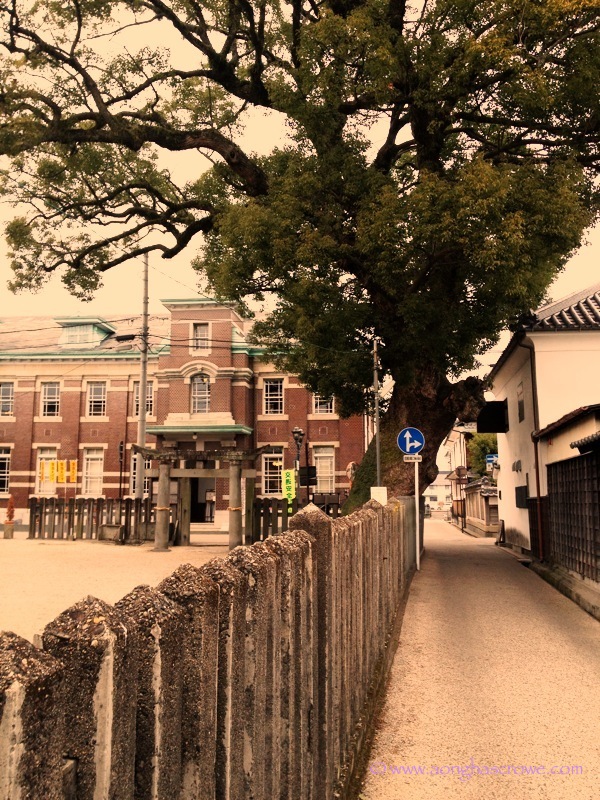
Several years ago there was a hit song called "S-A-G-A, Saga!" by a comedian and musician who goes by the stagename of name Hanawa. The song poked fun at what a little known, cultural and economic backwater the prefecture was. Although "S-A-G-A, Saga!" didn't put the prefecture in the best of light, had it not been for the song, I doubt most Japanese would be able to identify the prefecture on a map today.
Now, while I've been living in Fukuoka prefecture for two decades now, I never visited the city of Saga until now. Oh, I had been to the prefecture many times--usually as I traveled through it to get to Nagasaki--but had never made it to the capital. For one, it isn't the kind of place that a person goes out of his way to visit. Even the people who live there--as many of my students do, commuting from their homes every day--don't have much praise for the city.
Is there anything worth seeing, you might ask. Not really is usually the answer you'll get back. You might ask them about the "castle", but they'll reply that it's more like a house with a big gate. Hmm. Any good food to be had in the city? Not really.
I didn't let that discourage me. No, I got on an express train (Kamome Tokkyû) from Hakata Station and a little over half an hour later, I was in Saga.
There wasn't much to see around the station, so I went to the information desk and asked where the more historical neighborhoods were. There were two, I was told, and immediately headed off towards the nearer of the two, Yanagimachi.
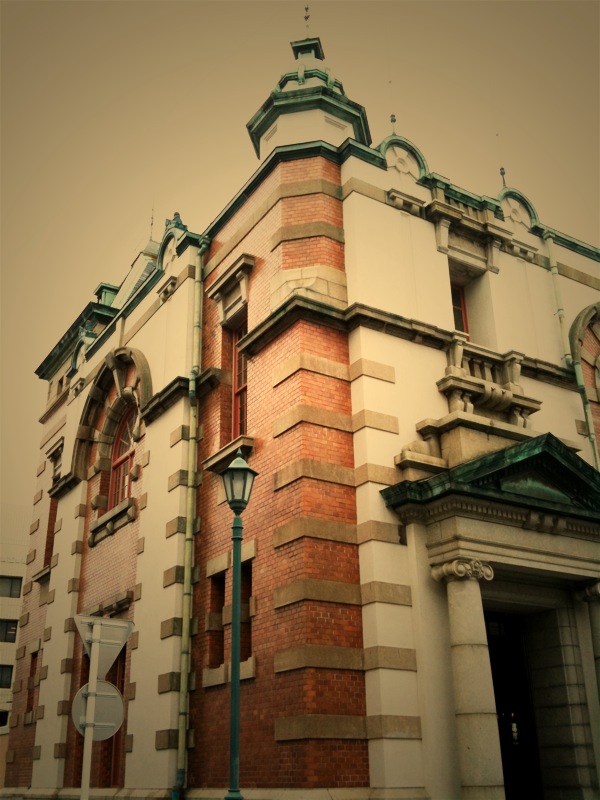
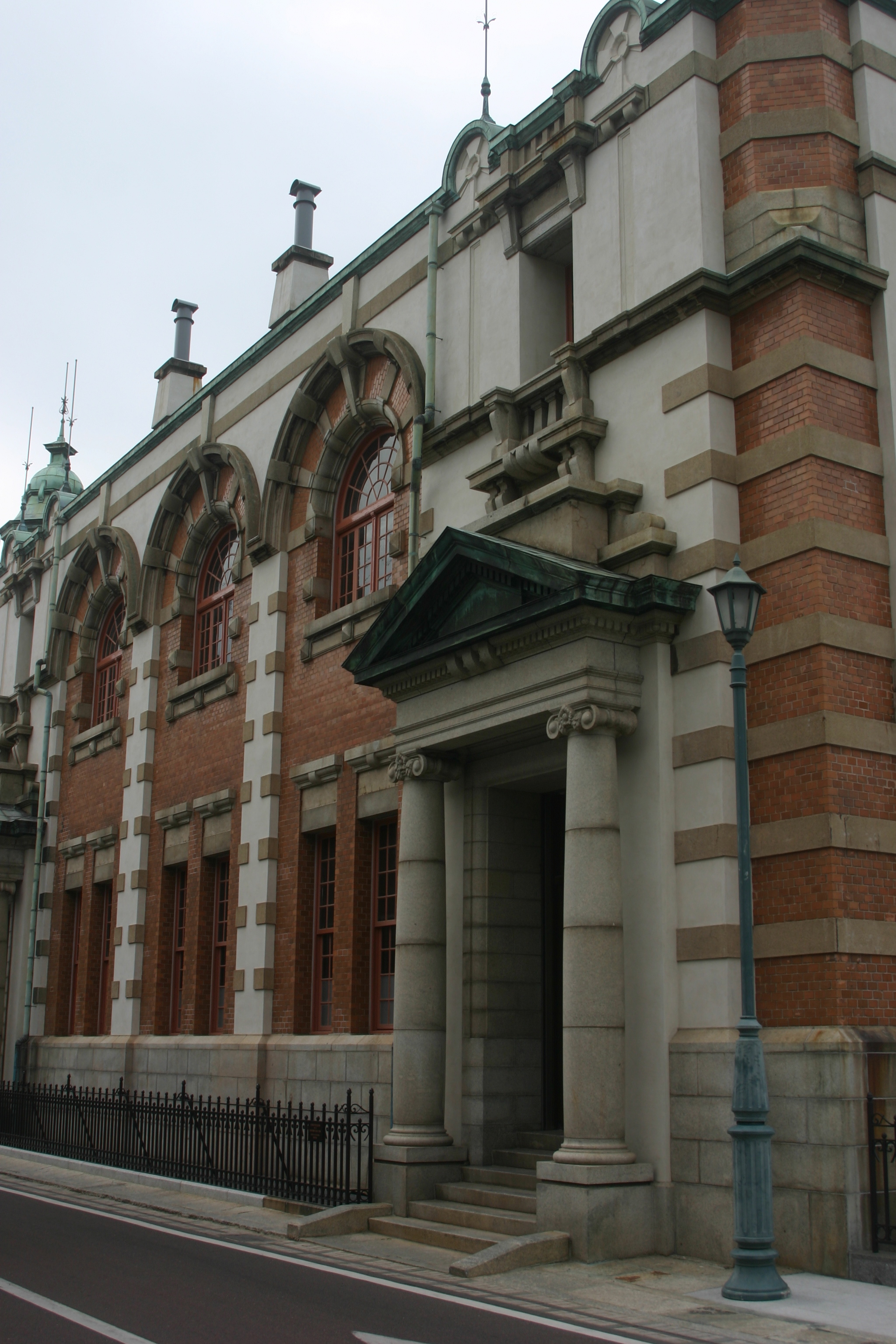
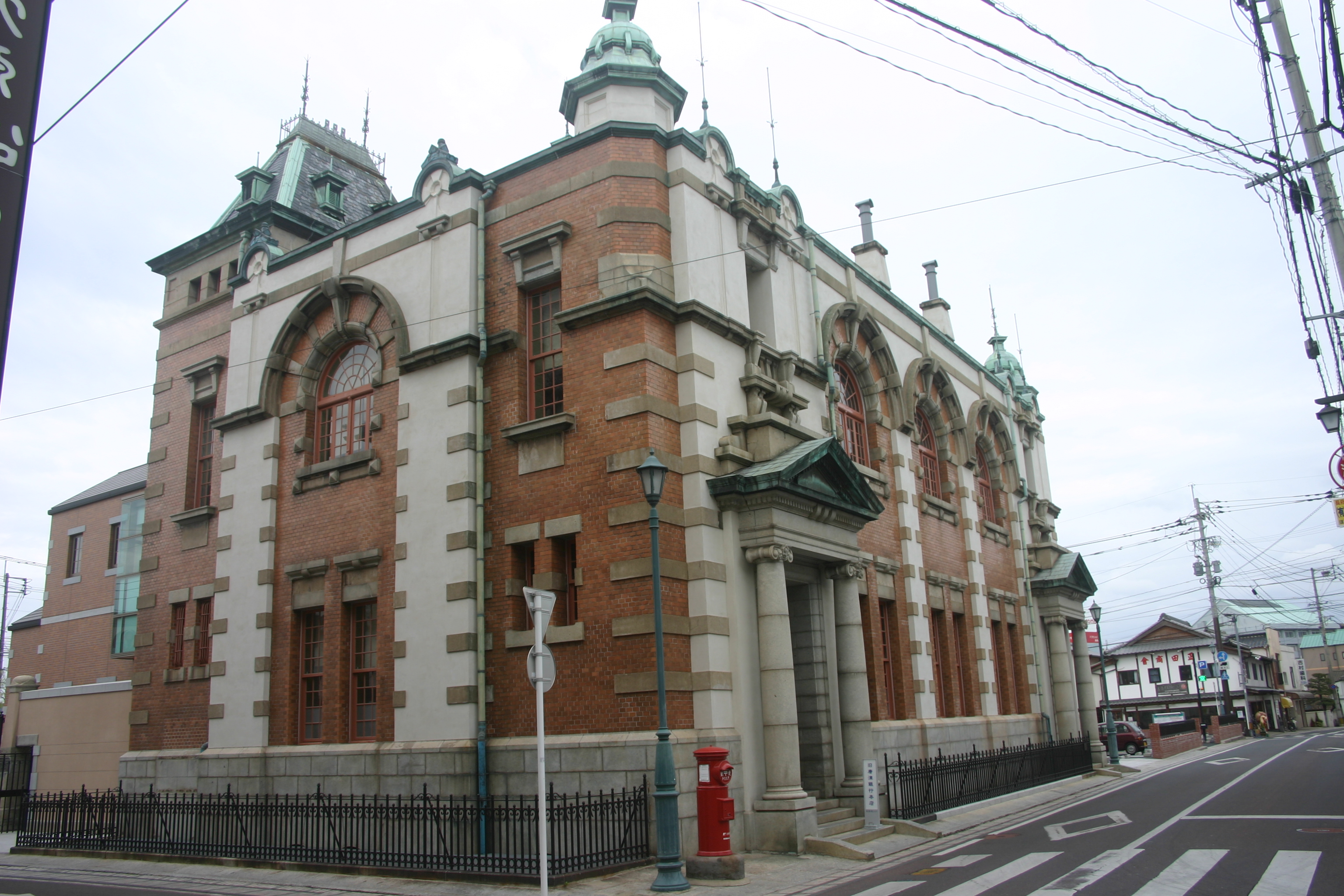
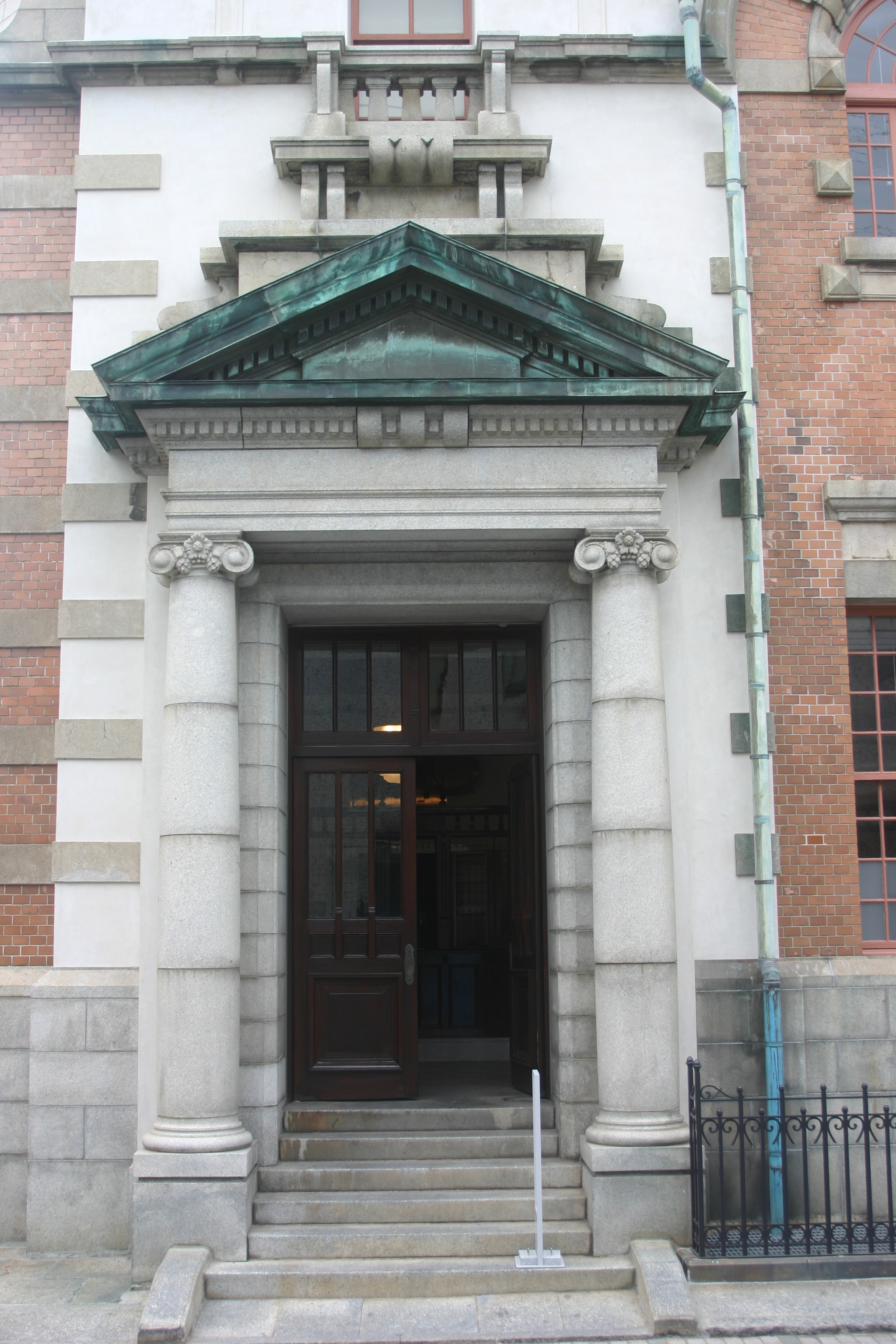
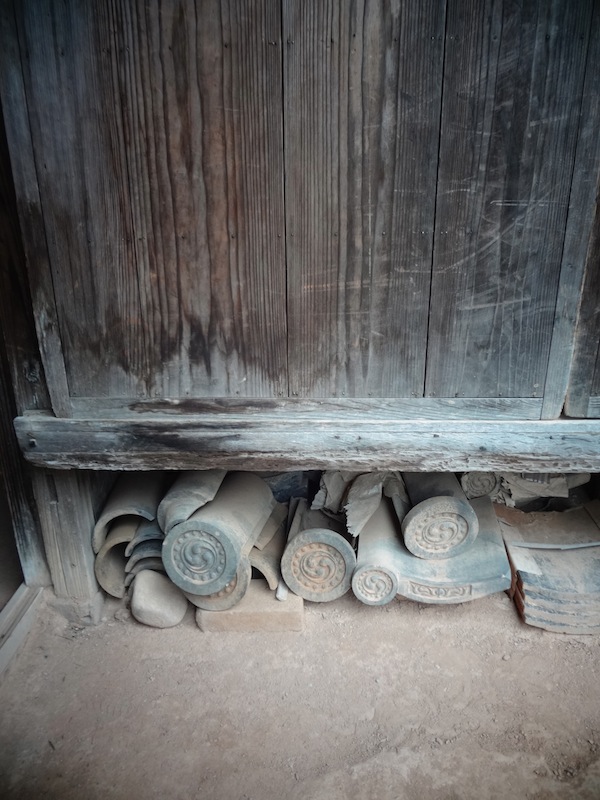
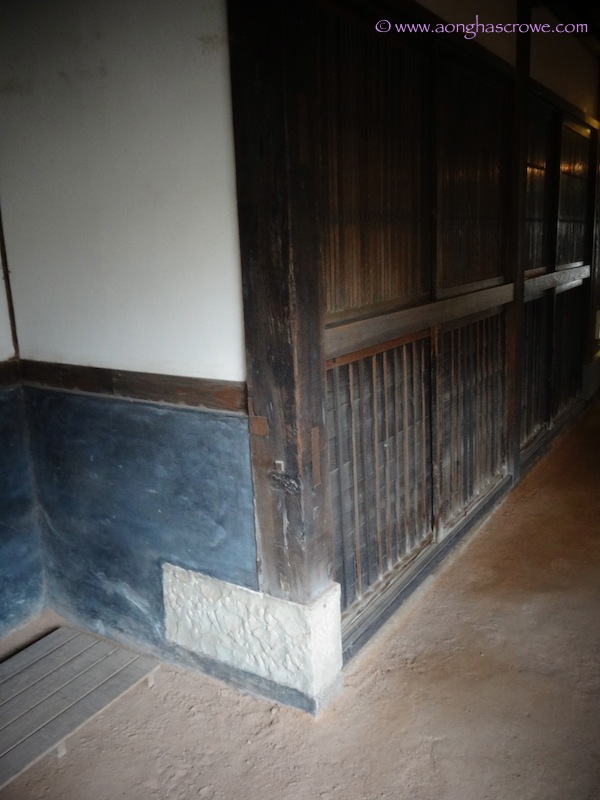
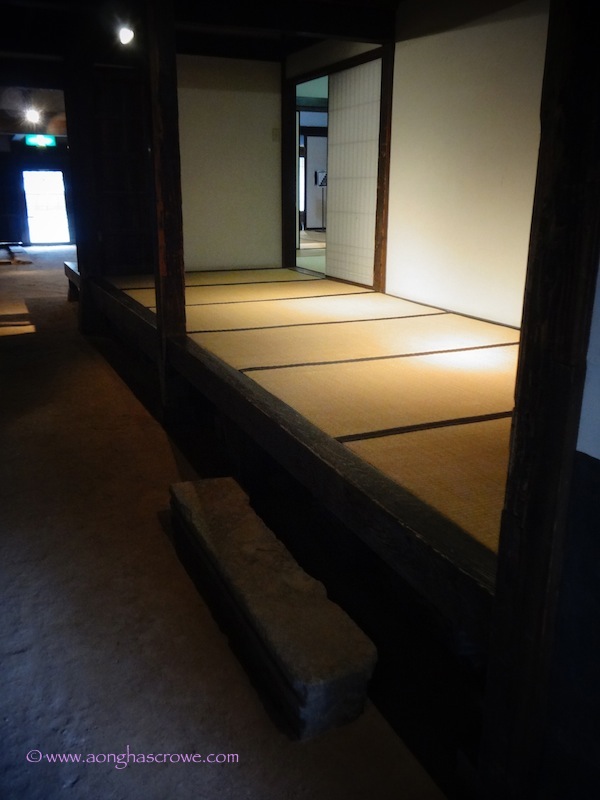
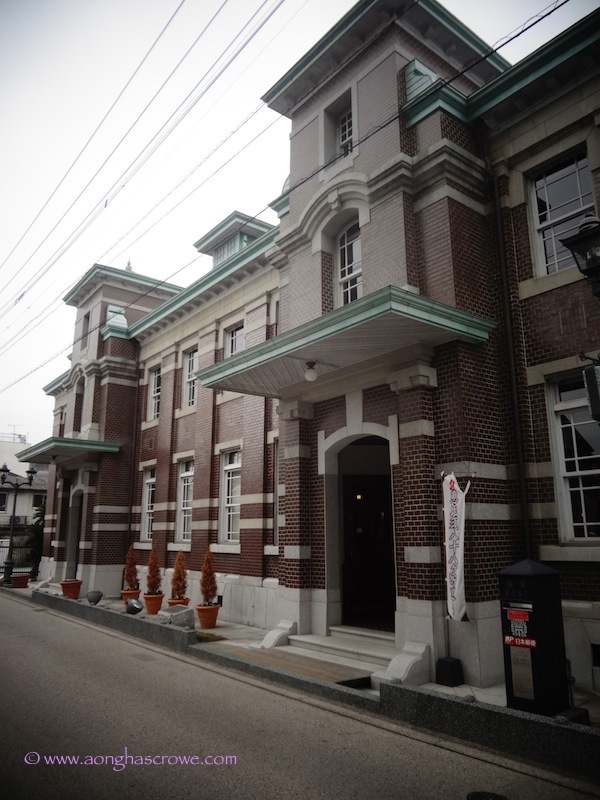
Yanagimachi wasn't very close, I'm afraid. (Especially when you're schlepping a two-and-a-half-year-old the whole way.) It took about hour to reach and there wasn't much to see along the way, just a dismal little town filled with lots of old people and shuttered up buildings. Yanagimachi--the two blocks or son along one street, that is--was rather nice. There was the former residence of the owner of Koga Bank, a merchant house from the Edo period that was nicely restored, a bank from the Meiji period, and so on.
These former buildings are always so beautiful, with such sensitivity put into their designs, it makes you wonder why on earth they would go on to abandon this kind of architecture and start putting up the shabby prefab crap that predominates today.
Many of the buildings along the main road leading from the station to the castle looked as if they had been built a hundred or so years ago, but in the meantime were covered up with siding and other insults. The result it ugly. The aim might have been a warped sense of modernity, but what they got instead was an eyesore. It's a mistake all too common throughout Japan.
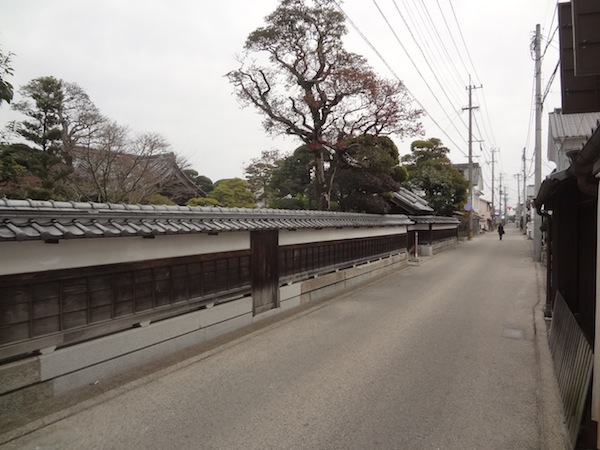
Yanagi Machi, Saga City
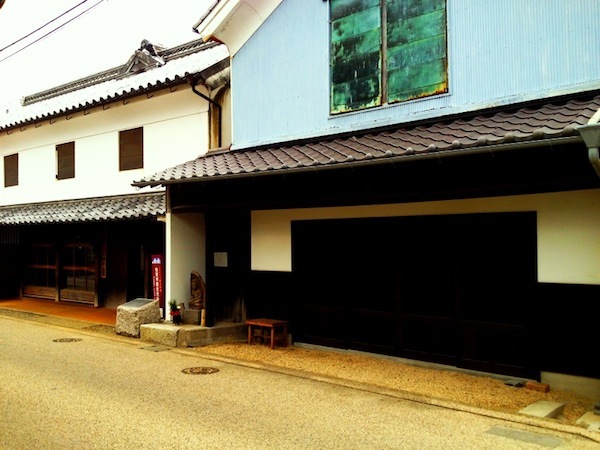
Former merchant house from the Edo Period.
Entrance to the former Koga residence.
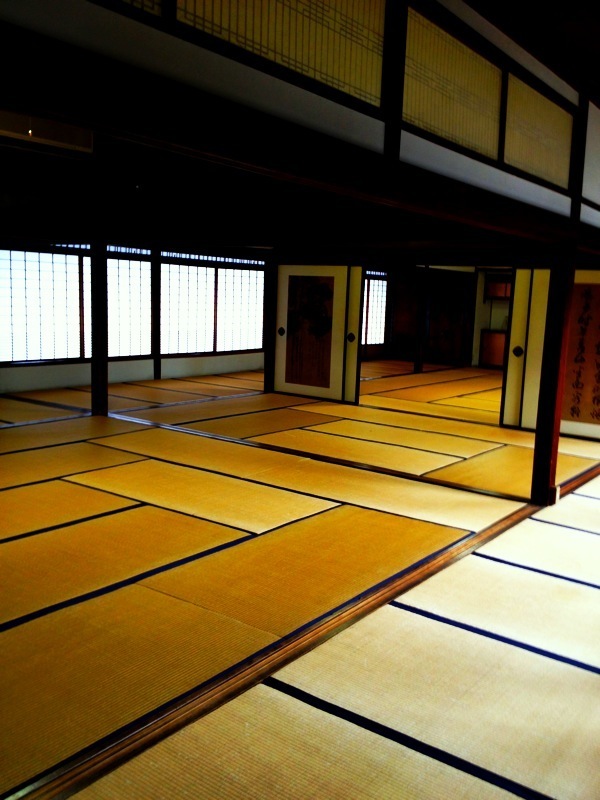
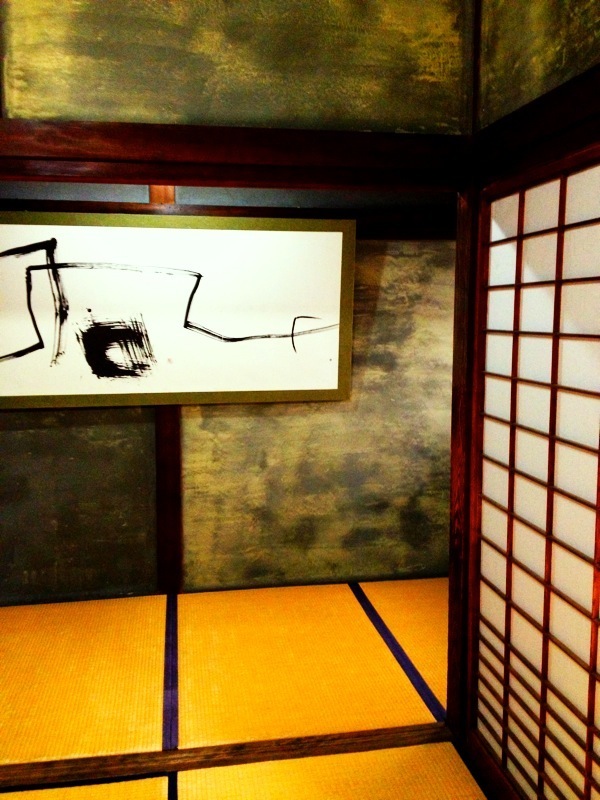
Main hall of the former Koga residence.
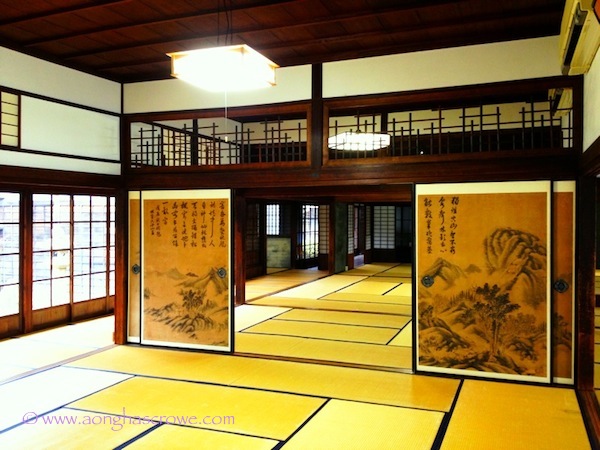
Upstairs at the former Koga residence.
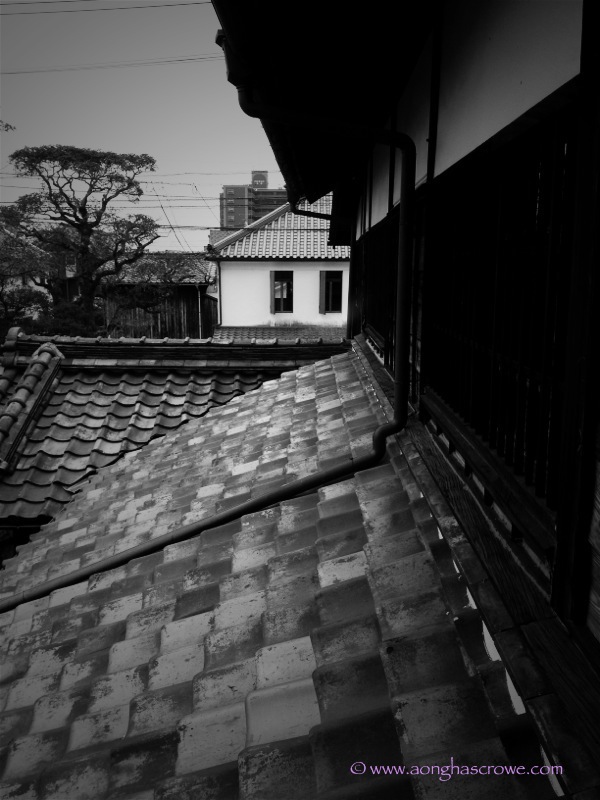
Roof of the former Koga residence.
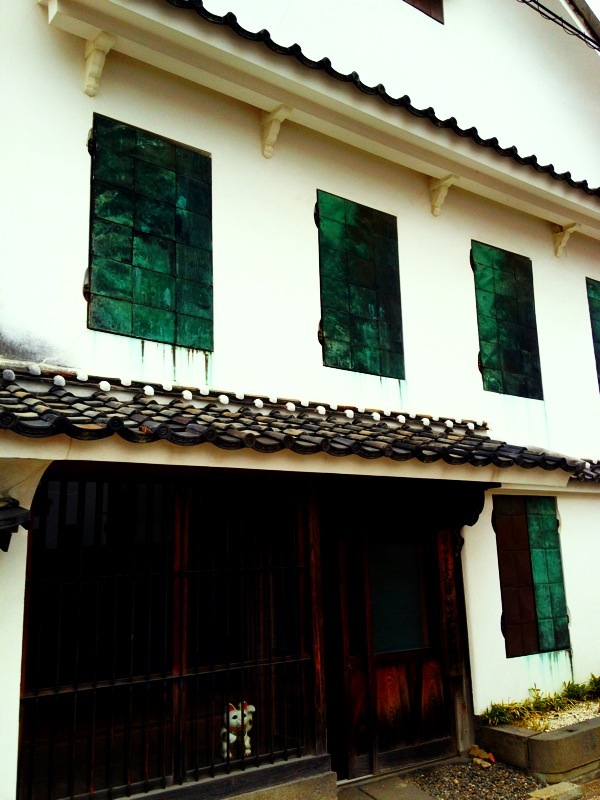
Former bank that went bust in the early 1900s due to speculation.
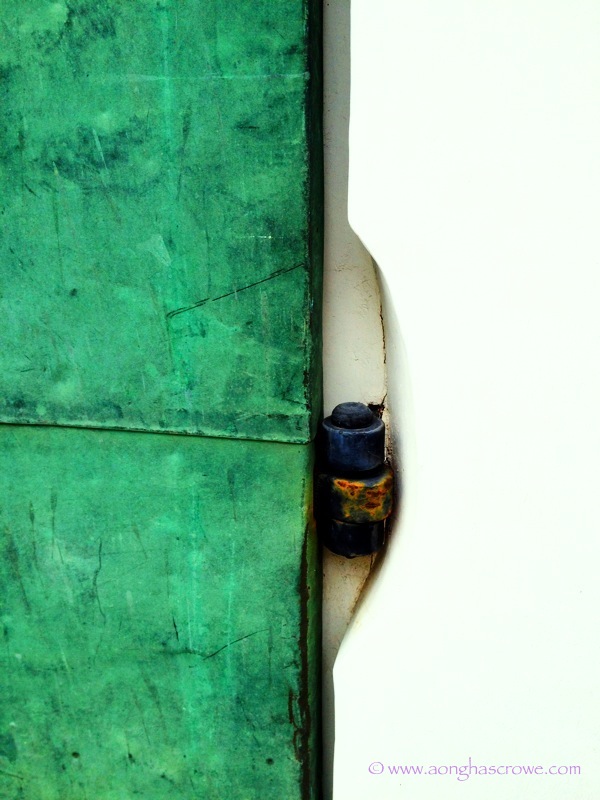
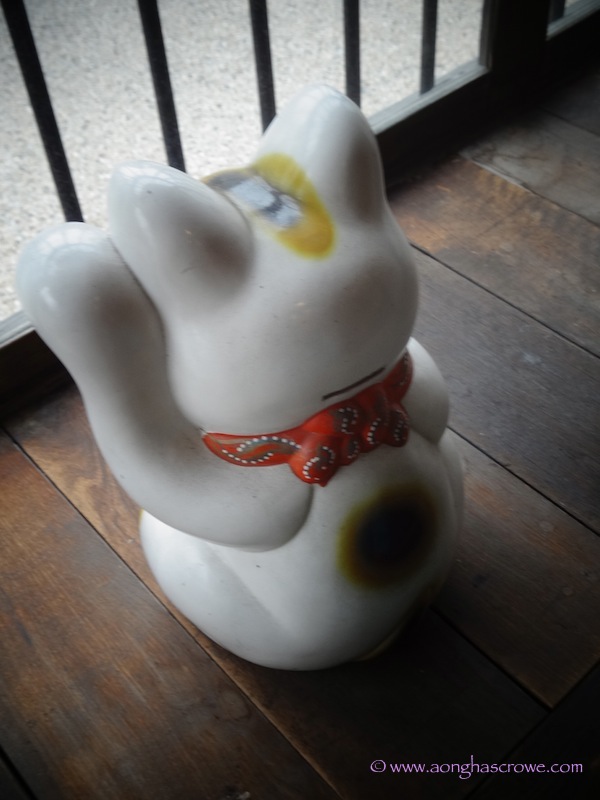
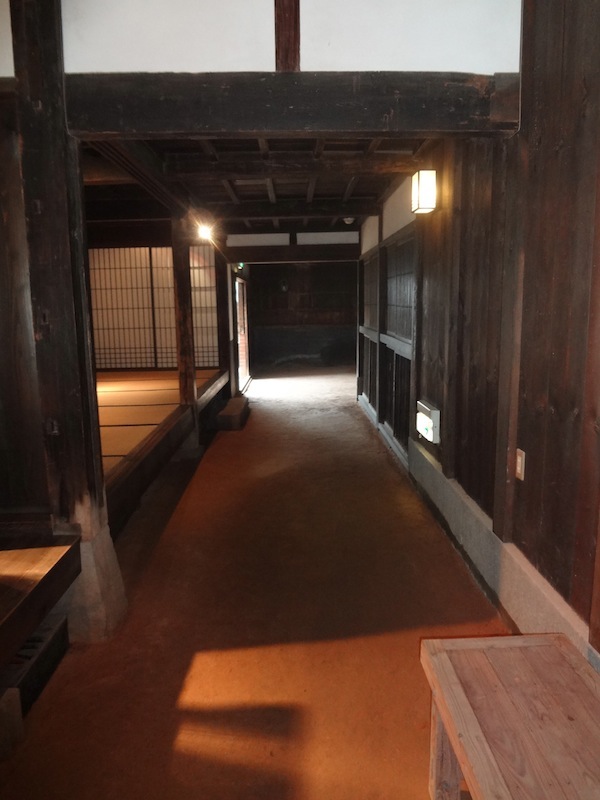
Former merchant house from the Edo Period. Note the hard clay floor called doma (土間).
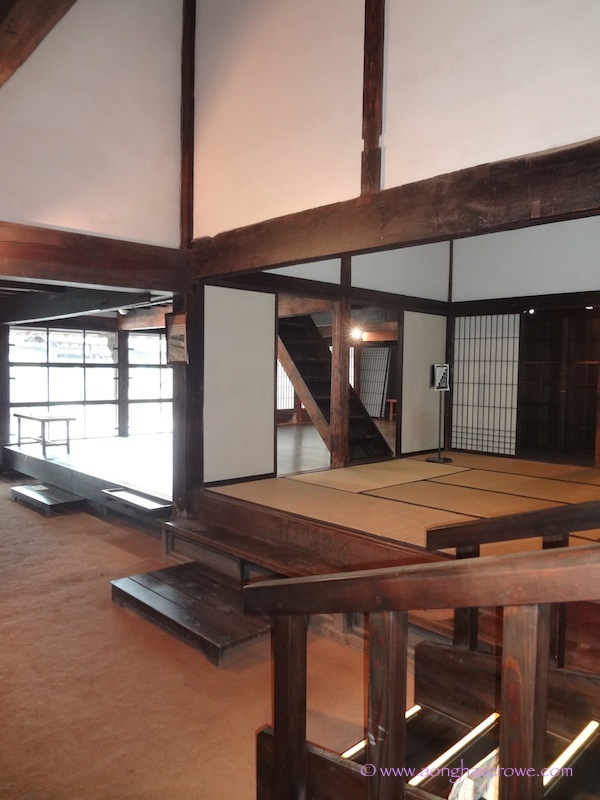
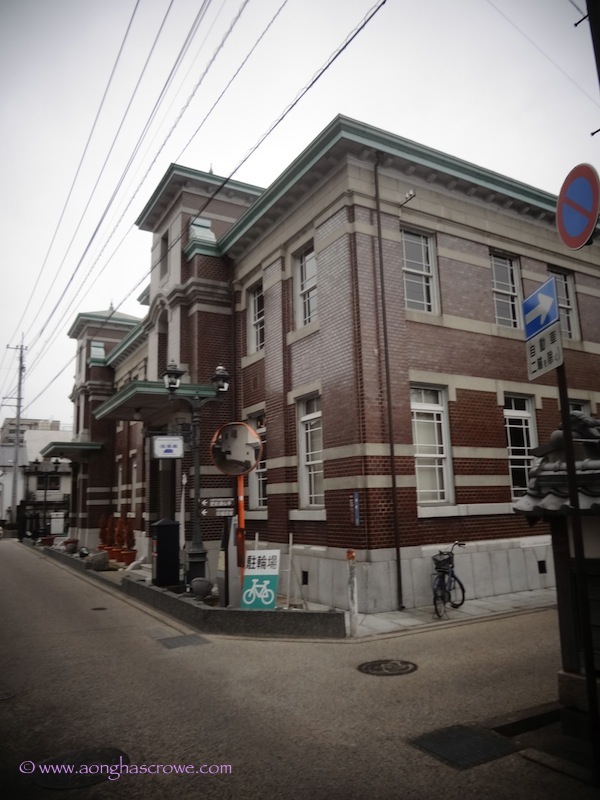
Former Koga Bank.
Heading home.